


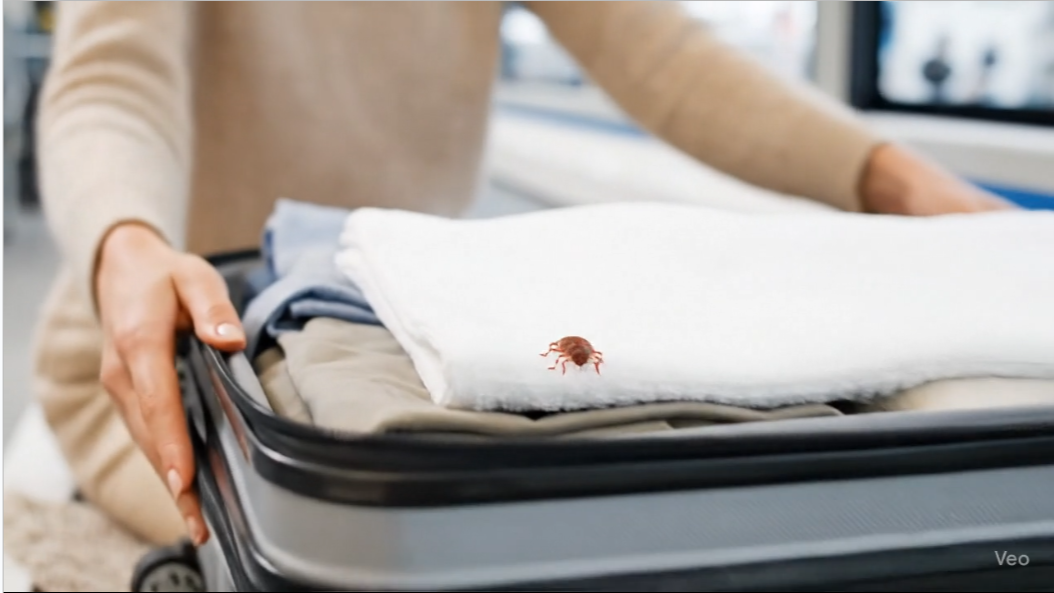
You check into a clean hotel, unpack your suitcase, and settle in for a good night’s sleep. Days later, you start noticing itchy bites — and realize you’ve brought back more than just memories. Bed bugs don’t fly or jump, yet they’re expert travelers. Across the U.S., these tiny hitchhikers move effortlessly from one location to another — often hidden in the things we carry every day.
Let’s break down how bed bugs spread, how to spot them early, and what to do to keep them from following you home.
1. How Bed Bugs Hitch a Ride
Bed bugs are masters of stealth. They hide in fabric seams, zippers, and crevices — waiting for a ride. The most common ways they travel include:
-
Luggage: Bed bugs crawl into suitcases or backpacks near beds, headboards, or carpets in hotels.
-
Clothing: They cling to clothing or laundry, especially if items are left near infested areas.
-
Furniture: Used couches, mattresses, and chairs are a major source of home infestations.
-
Public Transport: Airplanes, buses, and trains can all carry bed bugs between travelers.
-
Shared Spaces: Dorms, offices, theaters, and even hospitals can harbor them temporarily.
Even spotless hotels and apartments can have bed bugs — it’s about exposure, not cleanliness.
2. Signs You’ve Picked Up Bed Bugs
Spotting bed bugs early can save you from a full-blown infestation. Watch for:
-
Small itchy, red welts often appearing in a line or cluster.
-
Tiny reddish-brown stains on sheets or pillowcases (crushed bugs or droppings).
-
Shed skins or tiny white eggs in mattress seams.
-
A musty, sweet odor in severe infestations.
If you notice any of these signs after traveling, inspect your luggage and bedding immediately.
3. How to Prevent Bringing Bed Bugs Home
While Traveling
Keep luggage on a luggage rack, not the bed or floor.
Inspect mattresses, headboards, and bedside tables before unpacking.
Store clothes in sealed plastic bags inside your suitcase.
After Returning Home
Wash all travel clothes in hot water and dry on high heat.
Vacuum luggage thoroughly, especially seams and zippers.
Store your suitcase away from sleeping areas.
4. What to Do If They’ve Followed You
If you suspect bed bugs at home, act fast. Vacuum all surfaces, wash bedding in hot water, and call a licensed pest control professional for inspection.
Modern pest experts often use heat treatments that safely kill all life stages — from eggs to adults — in one visit, without chemicals.
Final Thoughts
Bed bugs are the ultimate stowaways — small, silent, and skilled at hiding. The key to avoiding them isn’t paranoia, but prevention and quick action.
By checking your surroundings, cleaning smartly, and trusting professionals when needed, you can make sure your next trip ends with souvenirs — not bite marks.


