


You might think your home is a fortress—but for pests, it’s often just a buffet with built-in shelter. From rodents scuttling in attics to insects feasting on your pantry, these unwelcome guests cause damage, spread disease, and erode your peace of mind. In America, pest control is both a serious public health matter and a booming industry. According to one U.S. pest control company’s blog, pest control has been deemed a vital service, with millions of Americans depending on professional services to keep homes safe. uspest.com
In this blog, we’ll explore common pests in the U.S., how and why they invade, and smart, effective ways to treat or prevent infestations.
1. The Usual Suspects: Which Pests Hack the American Home
Here are the most common pests you’ll find in homes across the U.S.:
| Pest | Why It’s a Problem | Typical Signs |
|---|---|---|
| Rodents (rats, mice) | Chew wires, contaminate food, spread disease | Droppings, gnaw marks, rustling in walls |
| Termites & wood-destroying insects | Silent structural damage | Buckling floors, hollow wood, “mud tubes” |
| Cockroaches | Allergy triggers, spread bacteria | Droppings (“pepper” specks), greasy smears |
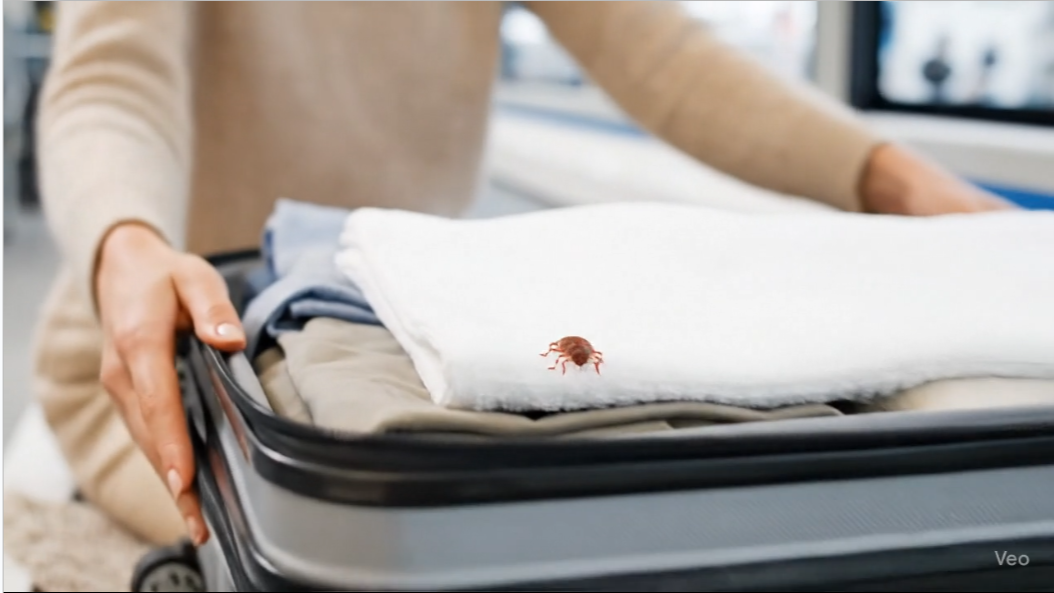
| Bed bugs | Bites, lost sleep, stigma | Reddish stains on sheets, small bites in line |
| Ants & carpenter ants | Nuisance trails, wood damage | Ant trails, hollow wood sounds |
| Wasps, hornets & bees | Stings, especially dangerous to allergic individuals | Visible nests, buzzing, outdoor aggression |
| Mosquitoes & ticks | Disease vectors (e.g. West Nile, Lyme) | Bites, standing water, tick checks reveal |
For example, U.S. Pest Control (Virginia-based) lists rodent infestations as a top concern in their Rats & Mice 101 blog. uspestcontrolinc.com Also, termite treatment is a recurring theme in their content. uspest.com
2. Why Pests Invade (and When)
Pests don’t break in for chaos—they do it for survival:
-
Seeking food or water: A leaky pipe, a crumb trail, or open garbage is irresistible.
-
Shelter & warmth: Especially in fall and winter, pests look for cozy indoor spots. In fact, one blog advises “winterizing your home from pests” as a key strategy. uspest.com
-
Entry points: Small cracks, unsealed vents, gaps under doorways—they’re all open invitations.
-
Human transport: Moving building materials, soil, or plants can carry pests like the invasive spotted lanternfly across states. arXiv
3. The Four Principles of Integrated Pest Management (IPM)
Modern, responsible pest control in the U.S. often relies on IPM (Integrated Pest Management). U.S. Pest outlines four core principles:
-
Prevention / Exclusion – block pests before they enter. Seal cracks, weatherstrip, screen vents. uspest.com
-
Monitoring & Identification – know what you have. Misidentifying pests can lead to wasted or harmful methods.
-
Thresholds & Decision Making – not every pest must be eliminated; decide intervention when damage or risk is above a threshold.
-
Control / Treatment – applying physical, biological, or chemical methods in a targeted, safe way.
Using these steps reduces unnecessary chemical use and focuses actions on where it truly matters.
4. Treatment Methods That Work (and When to Call Pros)
A. DIY / Home Remedies (for minor issues)
-
Traps & baits: Snap traps for rodents, glue boards for insects.
-
Boric acid / diatomaceous earth: Low-toxicity powders for insects like roaches.
-
Essential oils / botanical repellents: (e.g. peppermint, neem) can help deter, not eradicate.
-
Barriers & sealing: Foam, steel wool in holes; door sweeps; mesh over vents.
-
Sanitation: Keep food sealed, clean crumbs, reduce clutter.
These are best for small, early infestations.
B. Professional Treatments (for moderate / severe infestations)
-
Chemical treatments: Sprays, gels, fumigants applied with care.
-
Bait stations & gels: Particularly for rodents and roaches.
-
Structural treatments: Termite treatments (liquid, foam, fumigation) for wood pests.
-
Heat treatments: Especially for bed bugs (ramping rooms to lethal temperatures).
-
Biological agents: In some settings, kits use beneficial predators or microbes.
Note: Some pesticides in the U.S. are “restricted use” and can be applied only by licensed professionals. Wikipedia
Also, some novel methods exist—like Rat Ice, a dry ice product approved by the EPA to suffocate rodents in burrows. Wikipedia
C. Eco-Friendly & Natural Approaches
Many U.S. pest control blogs (e.g. All-Safe Pest) emphasize natural pest control methods:
-
Encouraging beneficial insects (ladybugs, parasitic wasps) to prey on pests. all-safe-pest.com
-
Using biological controls (e.g. nematodes) for soil pests.
-
Avoiding pesticide use on flowering plants to protect pollinators. uspest.com
These methods can be powerful, especially when paired with IPM.
5. Seasonal & Regional Tips
-
Spring / Early summer: Seal and inspect before pests swarm. One blog highlights preparing for spring pests early. uspest.com
-
Fall / Winter: Watch for overwintering insects and rodents seeking warmth.
-
Humid / Southern states: Watch termites, mosquitoes, ants.
-
Northern states: More rodent pressure indoors in cold months.
6. Myths, Mistakes & Warnings
-
Myth: “All bugs are bad.” In fact, many insects are benign or beneficial.
-
Mistake: Using blanket sprays that kill pollinators—don’t treat flowering plants. uspest.com
-
Warning: DIY overuse of pesticide can lead to resistance, environmental harm, or accidental poisoning.
-
Cross-state movement: Invasive species can spread with human activity—caution when moving soil, plants, or outdoor items. arXiv
7. A Sample Case Study: Bed Bugs
Bed bugs are notoriously difficult. One U.S. Pest blog describes their inspection and treatment process:
-
Inspection first: Visual, heat, or canine detection. uspest.com
-
Treatment plan: Might include heat, residual insecticide, mattress encasements, follow-ups.
-
Follow-up inspections: To catch survivors.
The key is not just killing bugs—but breaking their life cycle and re-checking after treatment.
Conclusion & Takeaway
Pests are a part of life, but you don’t have to let them take over your home. The U.S. approach to pest control increasingly emphasizes smart, targeted strategies—block entry, monitor, intervene wisely—not blanket chemical assault.
If you see signs of infestation, start with elimination of entry points and sanitation, and don’t hesitate to call a licensed professional for severe or tricky pests (termite, bed bugs, etc.).
If you like, I can turn this into a polished blog post (with images) ready for your site, or focus on a particular pest or region (e.g. “California spiders,” “Florida termites”). Do you want me to prepare that?